

Plumbing Maintenance Checklist for Homeowners — Practical Preventive Care & DIY Tips
A plumbing maintenance checklist is a short, repeatable set of inspections and simple tasks you can do to keep supply lines, drains, fixtures, and water heaters working the way they should. Regular checks catch small problems—drips, slow drains, surprising pressure changes—before they become leaks, backups, or expensive appliance failures. That saves you money and reduces wasted water. This guide delivers straightforward seasonal and equipment-specific steps for preventive plumbing care, safe DIY checks, and clear signs that mean you should call a pro. You’ll get a core checklist, recommended inspection intervals, top DIY tips, step-by-step water heater care, fixture maintenance advice, and guidance on when to bring in a licensed plumber. Each section includes actionable steps and quick-reference lists so you can protect your home, stretch the life of your system, and cut unnecessary repairs. The next section defines the checklist and previews the key items every homeowner should watch.
What Is a Plumbing Maintenance Checklist and Why Is It Important for Homeowners?
A plumbing maintenance checklist is a focused set of inspections and preventive tasks aimed at the main parts of your home plumbing. The idea is simple: regular visual checks and basic upkeep reduce corrosion, mineral buildup, and unnoticed leaks, which lowers the chance of emergencies and keeps water bills down. Homeowners benefit from earlier leak detection, fewer urgent repairs, and longer-lasting fixtures and appliances when small issues are fixed promptly. Below we outline the core items on the checklist and explain how they help avoid common plumbing failures while setting up the monthly, quarterly, and annual routines covered later.
A sensible homeowner checklist centers on recurring, high-impact checks you can do without special tools.
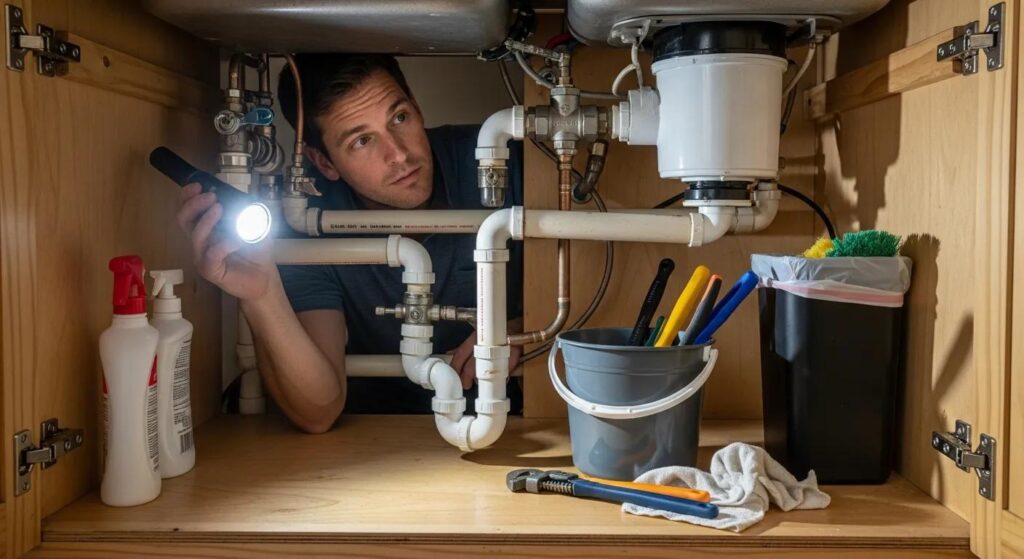
- Look under sinks and along visible pipes and supply lines for drips or damp spots.
- Test toilets for hidden leaks with a quick dye test in the tank.
- Operate shut-off valves and move faucets to check for stiffness or leaks.
- Clear sink and shower strainers of hair and debris to keep drains flowing.
- Inspect the water heater for leaks, rust, and proper pressure-relief valve action.
- Check outdoor drains, irrigation outlets, and sump pumps to confirm proper drainage.
These items form a practical first line of defense that keeps small issues from turning into structural water damage. They also explain why regular maintenance saves money and which components deserve closer attention.
Maxx Grip Plumbing & Sewer Service Inc. supports homeowner routines with preventative maintenance options designed for Ventura County homes. As a family-owned Oxnard company, we offer routine inspections and services—leak checks, water heater assessments, and drain clearing—that pair well with DIY checks and confirm system health. A scheduled professional inspection can catch hidden problems DIY looks can miss and give you a prioritized plan for repairs or upgrades without needless expense. If you prefer a hybrid approach, our professional services complement monthly homeowner checks to keep your plumbing reliable.
How Does Regular Plumbing Maintenance Save Money and Prevent Damage?
Regular maintenance saves money by cutting water waste and reducing expensive emergency repairs through early detection and quick fixes. A small faucet that drips a gallon a day adds up on your water bill and can accelerate corrosion that leads to pipe replacement. Routine upkeep also lowers the chance of hidden leaks that cause structural damage and mold, protecting your home’s value and avoiding costly remediation. Replacing worn seals, flushing sediment from equipment, and keeping drains clear helps fixtures and appliances last longer, reducing long-term capital expenses.
Those savings and the prevention of damage make it important to know which parts need frequent attention and which should get a professional inspection.
What Are the Key Components of a Home Plumbing System to Monitor?
Your home plumbing system includes supply lines, drain and sewer lines, fixtures (toilets, faucets, showers), the water heater, and outdoor systems like irrigation and sump pumps. Each area shows different warning signs: supply lines may leak or lose pressure, drains can run slowly or gurgle, toilets may run or fail to flush properly, and water heaters can show corrosion, sediment buildup, or pressure/temperature issues. Watch for persistent odors, slow drains, wet spots, or fluctuating pressure—those clues help you decide if a DIY fix will do or if you need a professional inspection. Knowing these components helps you focus monthly checks and plan the annual pro review outlined later.
Keeping these parts in regular view makes targeted maintenance easier and ties directly into the inspection schedule below.
How Often Should Homeowners Perform Plumbing Maintenance Checks?
Balancing effort with prevention means using monthly, quarterly, and annual checks: quick monthly walk-throughs for visible problems, quarterly maintenance for fixtures and drains, and annual professional evaluations for hidden systems. This tiered approach catches early leaks, slows buildup and wear, and lets pros use cameras and leak-detection tools to find concealed faults. Following this rhythm reduces emergencies and improves the efficiency of water-using systems—good for your wallet and the environment. The table below summarizes recommended intervals for common components and supports the task lists that follow.
Use the quick-reference table below for inspection timing and priorities.
| Component | What to Check | Recommended Frequency |
|---|---|---|
| Visible supply pipes | Leaks, corrosion, loose fittings | Monthly |
| Faucets & aerators | Drips, aerator blockages, flow rate | Quarterly |
| Toilets | Flapper condition, running water, seals | Monthly |
| Drains & trap arms | Slow flow, odor, hair/grease buildup | Quarterly |
| Water heater (tank) | Sediment, T&P valve, external corrosion | Annually |
| Sump pump & pit | Operation, float switch, debris | Quarterly |
This schedule creates a simple, reliable maintenance program and leads into clear monthly, quarterly, and annual task lists you can do safely.
What Are Recommended Monthly, Quarterly, and Annual Plumbing Tasks?
Monthly checks are a quick walk-through: look under sinks, check for damp spots around toilets and appliances, and run every faucet to confirm flow and temperature.
Quarterly tasks include cleaning aerators, clearing shower drains of hair, testing sump pump operation, and running the garbage disposal with ice and citrus to help clean blades and drains.
Annual tasks should include flushing and inspecting the water heater, getting a camera inspection of main sewer/drain lines when appropriate, and scheduling a professional leak-detection check if problems repeat. These recurring tasks reduce mineral buildup, protect seals, and provide the rhythm needed for longer-term professional inspections.
Following this cycle keeps small problems manageable and gets systems ready for professional review when needed.
How Do Seasonal Changes Affect Plumbing Maintenance Needs?
Seasons change what you should watch for: colder months raise the risk of frozen or sweating pipes, rainy spells can overload yard drains and expose weak sewer connections, and summer heat can accelerate expansion and expose irrigation leaks. Prepare by insulating exposed lines before cold snaps, clearing gutters and outdoor drains before the rainy season, and testing irrigation systems in spring for leaks and proper emitters. In Ventura County, coastal humidity and occasional storms mean extra attention to outdoor drainage and backflow prevention to avoid soggy yards and basement dampness. Adjusting maintenance by season lowers the chance of weather-related failures and keeps systems ready year-round.
Seasonal prep ties into the DIY tips and pro checks we cover next to help you manage local risks.
What Are the Top DIY Plumbing Care Tips for Homeowners?
DIY plumbing care covers safe, repeatable tasks you can do to prevent common problems while avoiding risky repairs. The goal is to keep the system healthy with small, regular actions—cleaning aerators, clearing strainers, watching toilets, and exercising valves—so wear doesn’t become failure. These steps help you address small leaks, clogs, and fixture inefficiencies, cutting emergency calls and saving water. Below are practical tips and short how-tos for leak detection and drain care, with safety notes and guidance on when to stop and call a pro.
Use these simple, repeatable actions to keep your plumbing steady between professional visits.
- Check for hidden toilet leaks: Drop a few drops of food coloring into the tank, wait 10 minutes, and see if color appears in the bowl—if it does, the flapper is leaking.
- Clean faucet aerators quarterly: Unscrew aerators, soak them in vinegar to remove mineral scale, rinse, and reinstall for steadier flow.
- Exercise shut-off valves: Turn each valve fully off and on once a year so they don’t seize and are ready in an emergency.
- Use a plunger before chemicals: A plunger or hand auger clears many clogs safely—leave chemical cleaners as a last resort.
- Inspect under sinks monthly: Look for moisture, corrosion, or loose fittings to catch leaks early.
How to Detect and Prevent Common Plumbing Leaks in Faucets, Toilets, and Pipes?
Start leak detection with sight and sound: listen for running water when everything’s off, check under sinks for wet patches, and use a dye test in toilet tanks to find silent leaks. For faucets, replace worn washers, cartridges, or O-rings to stop drips; for toilets, swap a worn flapper and adjust the fill valve to prevent continuous running. Check supply-line connections under appliances for corrosion or moisture—braided stainless lines and snug hand-tight connections cut failure risk. If leaks persist, moisture spreads, or you see signs of structural damage, stop DIY and call a professional for a proper diagnostic.
Quick detection and simple parts replacement stop water waste and keep small issues from becoming big repairs—next, we cover safe drain care.
What Are Effective Drain Care and Clog Prevention Methods?
Preventing clogs is the best approach: use hair and grease catchers, never pour cooking oil down drains, and flush drains periodically with hot water or a vinegar-and-baking-soda rinse to reduce buildup. Mechanical cleaning with a plunger or small hand auger removes most household clogs; when using a drain snake, feed it slowly so you don’t push the clog deeper. Avoid frequent chemical drain cleaners—they can harm pipes and finishes. Enzymatic cleaners are a gentler option for routine maintenance. Call a pro for recurrent slow drains, ongoing odors, or repeated backups—those often point to deeper sewer issues.
Good habits and periodic mechanical cleaning cut down the need for professional hydro-jetting or sewer work and pair well with water heater maintenance steps below.
How Should Homeowners Maintain Their Water Heater for Efficiency and Longevity?

Water heater care is about flushing sediment, testing safety valves, and checking for corrosion or leaks to keep the unit efficient and reliable. For tank heaters, removing sediment improves heat transfer—annual flushing and checking the anode rod help prevent corrosion and extend service life. Tankless units need periodic descaling to remove mineral deposits and protect sensors and the heat exchanger. The steps below give a safe, actionable flushing routine for tank heaters and an easy comparison to help owners pick the right service rhythm for their heater type.
Regular water heater maintenance lowers energy use, avoids premature replacements, and reduces the chance of disruptive leaks.
Before the table: this comparison shows key tasks and recommended actions by water heater services type so you can make a tailored schedule.
| Water Heater Type | Key Maintenance Task | Recommended Action / Interval |
|---|---|---|
| Tank (gas/electric) | Flush sediment, test T&P valve | Flush annually; test valve annually |
| Tankless (on-demand) | Descale, check inlet filters | Descale every 12 months; inspect filters quarterly |
| Hybrid/Heat Pump | Drain pan, check condensate | Inspect condensate and drain pan quarterly |
| Anode maintenance | Inspect and replace anode rod | Inspect every 1-3 years; replace as needed |
What Is the Step-by-Step Guide to Flushing and Inspecting a Water Heater?
To flush a tank-style water heater safely: turn off the power or gas and close the cold-water inlet, attach a hose to the drain valve, and drain water to a safe spot until it runs mostly clear. Briefly open the cold-water inlet to stir up remaining sediment and drain again until clear. Test the pressure-relief valve by lifting its lever—it should let water out and reseat without leaking. Inspect the tank exterior for corrosion, listen for sediment noises, and check the anode rod—replace it if more than half worn. Always follow the manufacturer’s instructions, let the tank cool, and get professional help for gas connections or if you find corrosion or persistent leaks.
These steps restore efficiency and make your water heater ready for a professional inspection when needed.
When Is It Time to Call a Professional for Water Heater Repairs or Replacement?
Call a professional if your water heater leaks, produces rust-colored water, loses hot water suddenly, or has frequent temperature swings—those signs point to internal corrosion or component failure. Age and repeated repairs matter: many tank systems approach replacement around 8–12 years, and recurring problems often justify replacing the unit for safety and long-term savings. A licensed pro can handle gas or electrical work, test venting and combustion, and recommend replacement models sized for your household. When unsure, a professional inspection gives a clear diagnosis and a repair vs. replace recommendation.
Professional checks also uncover hidden problems before they fail, which is why annual inspections are a valuable part of maintenance.
| Heater Type | Inspection Focus | Typical Professional Action |
|---|---|---|
| Tank | Anode rod, sediment, T&P valve | Anode replacement, flush, valve repair |
| Tankless | Scale on heat exchanger | Descale, clean inlet filter, service sensors |
| Gas systems | Venting, combustion | Safety adjustments, vent/combustion repair |
What Are Essential Maintenance Tips for Toilets, Faucets, and Other Fixtures?
Fixture care keeps daily plumbing efficient and conserves water through simple checks and quick part swaps that stop continuous leaks and poor performance. Replacing worn washers, flappers, and aerators restores proper flow and stops wasteful drips—changes that have a measurable impact on water use. Regular upkeep also reduces staining, improves daily use, and delays the need for full fixture replacement. The table below helps you match common symptoms to DIY fixes and decide when to call a professional.
Use the table to diagnose symptoms and pick the right action—DIY or pro.
| Fixture | Symptom | DIY Check / When to Call a Pro |
|---|---|---|
| Toilet | Constant running or weak flush | Check flapper, adjust float; call pro for repeated seal failure |
| Faucet | Dripping from spout | Replace cartridge/washer/aerator; call pro for persistent leaks or corroded fittings |
| Shower valve | Temperature fluctuation | Inspect cartridges, clean sediment; call pro for valve replacement |
| Sink drains | Slow drainage | Clear trap, use hand auger; call pro for recurring clogs or sewer smells |
How to Identify and Fix Common Toilet and Faucet Issues Early?
Running toilets often come down to a worn flapper, a misadjusted float, or a failing fill valve—replacing the flapper and adjusting the float usually fixes it in minutes. Dripping faucets typically need a new cartridge or washer and a cleaned aerator; replacing these small parts restores leak-free performance and proper flow. Tightening loose fittings and reseating supply-line connections under sinks can stop slow leaks, but visible corrosion or repeated failures mean it’s time for a professional replacement. Early DIY fixes cut water waste and keep fixtures working until you schedule an upgrade or pro repair.
Quick detection and swapping worn components prevent wasted water and avoid bigger repairs—next, we cover fixture maintenance’s role in conservation.
How Does Fixture Maintenance Contribute to Water Conservation?
Fixing small leaks, cleaning aerators, and upgrading to low-flow fixtures all reduce household water use and lower monthly bills. Even a tiny drip adds up—a leaking faucet can waste hundreds of gallons a year—so timely repairs have a real conservation impact. Keeping seals and valves in good shape preserves intended flow while maintaining comfort. Beyond household savings, regular fixture maintenance supports community water resilience by cutting unnecessary demand.
Those conservation gains are another reason to keep fixtures maintained and to call a professional for complex or emergency work.
When Should Homeowners Contact a Professional Plumber for Maintenance or Repairs?
Call a professional when you face clear red flags: major leaks, sewer backups, gas-related plumbing concerns, or repeated failures that DIY fixes can’t stop. Professionals bring diagnostic tools—camera inspections, electronic leak detection, and pressure testing—that reveal damage hidden behind walls, under slabs, or in sewer lines. Regular professional inspections complement your DIY routine by finding problems you can’t see and preventing incorrect repairs that make issues worse. Below is a brief decision list to help you decide when to call and what to tell the plumber to speed up service.
When risk is high, quick professional help limits damage and keeps repairs aligned with long-term maintenance planning.
- Major leak or active flooding: Shut off the main water and call a professional right away to limit structural damage.
- Sewer backup or persistent sewer odors: Contact a professional—these often indicate blocked or damaged sewer lines.
- Loss of hot water or repeated water heater failures: Call a pro for diagnostics and safety checks on gas or electric systems.
- Visible pipe corrosion or multiple leaks: Schedule a professional inspection to assess systemic deterioration.
What Emergency Plumbing Services Does Maxx Grip Plumbing Offer in Ventura County?
Maxx Grip Plumbing & Sewer Service Inc., a family-owned Oxnard business, responds to plumbing emergencies across Ventura County. We handle active leaks, hidden leak detection, sewer and drain clearing for backups, and water heater repairs—services focused on prompt response to urgent problems. Our approach is local, honest, and straightforward: we aim to stop the damage quickly and get your home back to normal without surprise costs. If you have an urgent plumbing issue in Ventura County, contact Maxx Grip for a fast assessment and reliable service scheduling.
How Can Professional Inspections Complement DIY Maintenance?
Professional inspections use tools like camera line inspection, electronic leak detection, and pressure testing to find issues invisible during routine DIY checks—root intrusion in sewer lines or slab leaks, for example. These inspections produce a prioritized repair plan and catch small problems before they become emergencies, which lowers long-term repair costs. Pros also confirm the effectiveness of your DIY work and recommend replacement schedules for aging equipment like water heaters and sump pumps. Pair regular homeowner checks with annual or biennial professional inspections for the best balance of cost and system reliability.
If you want a verified, preventive approach, engaging a local professional completes your maintenance plan while keeping your home safe and efficient.
Maxx Grip Plumbing & Sewer Service Inc. delivers preventative maintenance and professional inspections that back up homeowner routines with field-grade diagnostics and focused services across Ventura County. To schedule an inspection or request a preventative work estimate, reach out to Maxx Grip Plumbing & Sewer Service Inc.—our Oxnard team is ready to serve local properties promptly and professionally.
Frequently Asked Questions
What are the signs that indicate I need to call a plumber?
Call a plumber for persistent problems like major leaks, sewer backups, or strange odors. Other red flags include a sudden loss of hot water, frequent clogs, or visible pipe corrosion. If DIY fixes don’t solve the issue, a licensed plumber has the tools and experience to diagnose and fix complex problems safely and correctly.
How can I prepare my plumbing system for winter?
Insulate exposed pipes in unheated areas like attics and crawlspaces, disconnect and drain outdoor hoses, and consider letting faucets drip during extreme cold to relieve pressure. Check your water heater insulation and ensure your home’s heating keeps vulnerable spaces above freezing. These steps reduce the risk of frozen or burst pipes.
What should I do if I have a clogged drain?
Start with a plunger to try to dislodge the blockage. If that fails, use a hand auger or drain snake to remove the clog manually. Avoid chemical drain cleaners, which can damage pipes and finishes. If the clog persists, call a professional—persistent blockages can signal deeper problems.
How can I maintain my plumbing fixtures to extend their lifespan?
Clean aerators and showerheads to prevent mineral buildup, check for leaks and replace worn washers or seals, and inspect toilets for running water and correct float levels. Avoid harsh chemicals that corrode fixtures. Regular, small maintenance tasks will keep fixtures working longer and reduce the need for replacements.
What are the benefits of scheduling regular professional plumbing inspections?
Professional inspections catch hidden issues that DIY checks can miss. Pros can find leaks behind walls, assess pipe condition, and evaluate system efficiency. Early detection prevents costly repairs and provides tailored maintenance advice so your plumbing runs reliably over time.
How can I reduce my water bill through plumbing maintenance?
Lower your water bill by fixing leaks promptly, installing low-flow fixtures and aerators, and maintaining your water heater for efficient operation. Regular professional inspections can also uncover hidden leaks or inefficiencies that drive up water use.
What should I do if I suspect a hidden leak in my home?
Look for damp spots, mold growth, or an unexplained rise in your water bill. Turn off all water sources and check the water meter—if it still moves, you likely have a leak. Contact a professional plumber who can use specialized tools to locate and repair hidden leaks without unnecessary damage to your home.
Conclusion
Regular plumbing maintenance pays off: fewer emergency repairs, better efficiency, and longer-lasting systems. Follow a clear checklist, focus on the key components, and use seasonal and equipment-specific steps to prevent problems. Adding scheduled professional inspections to your DIY routine gives you extra protection and peace of mind. To keep your home’s plumbing in top shape, consider Maxx Grip Plumbing & Sewer Service Inc. for preventative maintenance and professional inspections tailored to Ventura County homes.